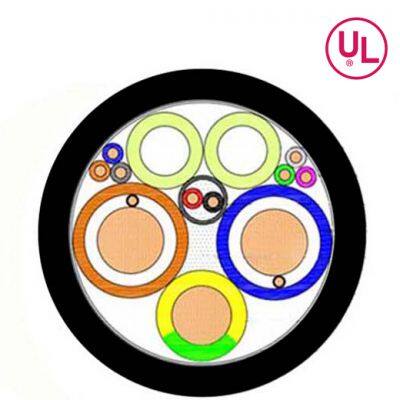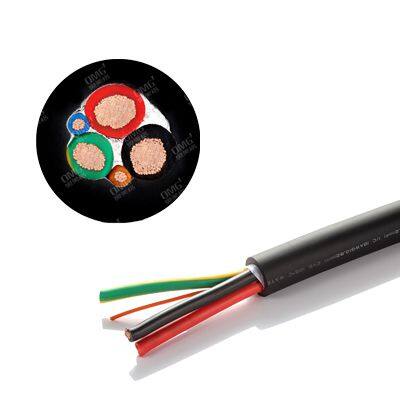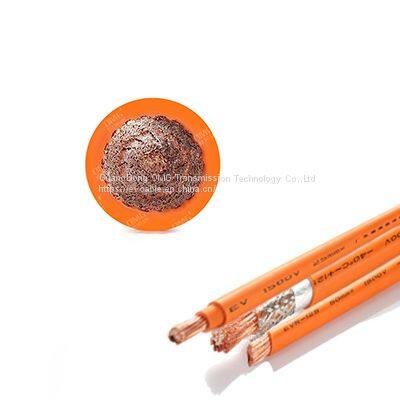
 Business License

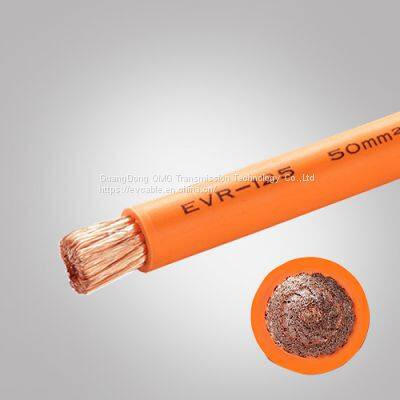
Certification as a standard for electric vehicle charging cable
Wire and cable industry is an industrial basic industry, occupying an extremely important position in China's national economy. With the adjustment of China's energy structure, the wire and cable industry will usher in the spring of development. On the one hand, the next few years will be a critical period for the development of China's smart grid industry. It is expected that by 2020, China will become the world's largest smart grid market. To achieve this goal, the provincial and municipal governments are investing heavily in power distribution and power facilities construction, the speed will be rapidly increased, in its promotion, the cable industry will flourish. On the other hand, driven by the national 13th Five-Year Plan for energy development, the electric vehicle industry will show explosive growth, which will greatly boost the rapid development of the transmission and distribution industry. In addition, the government further accelerates the construction of national railroads, light railways, subways and other collective transportation system projects, the overall demand of China's cable industry will continue to be positive.
China is the best environment for the development of electric vehicles in the world. Before companies go global, they must create products that meet international standards. Obtaining international certification is the most direct proof of a product's presence in China's electric vehicle market.
According to reliable sources, TUV Rheinland has a global reputation for providing reliable inspection, testing and certification services for more than 140 years. In the field of wire and cable, TUV Rheinland has more than 20 years of experience and is familiar with the latest international certification standards for all types of traditional and special cable products. 2011, TUV Rheinland took the lead in promulgating the standard for electric vehicle charging cables, which was recognized and favored by the industry.
At present, the applicable standards for charging cables are mainly IEC 62893-1/-2/-3:2017 drafted by the International Electrotechnical Commission, as well as the corresponding regional standards of different countries such as China, the EU, the US, Canada, and Japan. Enterprises should carry out relevant testing and certification in a targeted manner according to their target markets. Testing and certification requirements for EU electric vehicle charging cables EN 50620:2017. The standard is mainly applicable to halogen-free cables that provide power and communication for electric vehicles. There are a series of strict requirements on insulation materials, rated voltage, printing, cable structure, inspection and testing of finished cables, etc.
To learn more about EV HV cable and RVV cable information, Please visit or search: omgevcable
Recently Posted
-
China's New Energy Cable Brand Launches: Forging the "Green Bloodline" of the Energy Revolution
August 21, 2025Description: Automotive cables are a key component of automotive electronics, used for power transmission, signal transmission, an Read More
 -
Breakthrough in Liquid-Cooled High-Voltage Cable Technology
August 21, 2025Efficient Heat Dissipation Enables High-Power Charging for New Energy VehiclesWith the booming new energy vehicle industry, chargi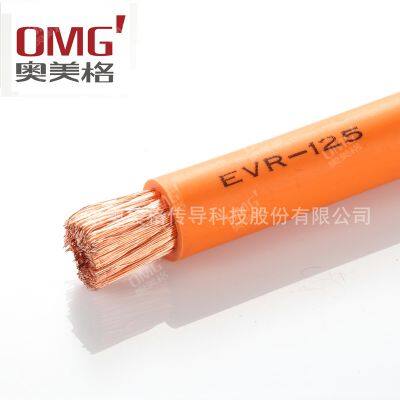 Read More
 -
Major Breakthrough in High-Power Liquid-Cooled Fast-Charging Cable Technology
August 21, 2025Recently, OMG, a leader in the cable manufacturing industry, achieved a significant breakthrough in high-power liquid-cooled fast-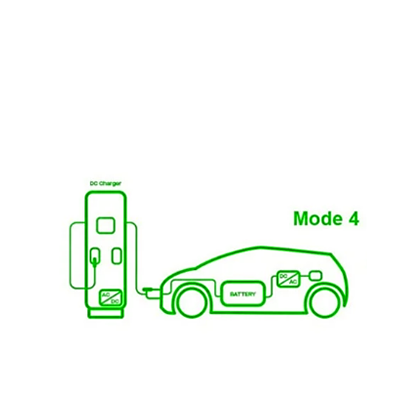 Read More
 -
OMG: Leading the market, practicing and exploring excellent strategies
December 11, 2024Many users are familiar with OMG, and the supply chain in the wire and cable industry is familiar. Of course, this company focuses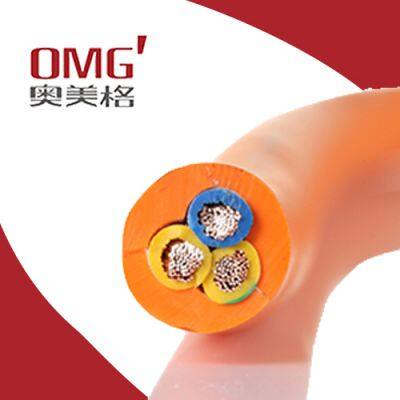 Read More

Contact Us
Recommended Products
-
 Applications of 6 sq mm Shielded Cables for Road VehiclesNegotiableMOQ: 200 Meters
 -
Product Introduction of 70/95/120mm² High-Voltage Cables for Road VehiclesNegotiableMOQ: 500 Meters
-
Factory Direct Sales of Automotive High-Voltage Orange Shielded Cables 35mm²/50mm²/70mm²NegotiableMOQ: 500 Meters
-
New Energy 6mm² Automotive Unshielded Single-Core CableNegotiableMOQ: 200 Meters
-
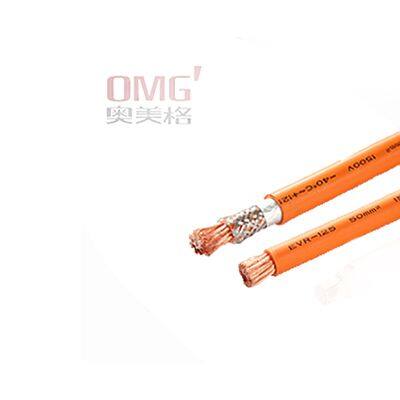
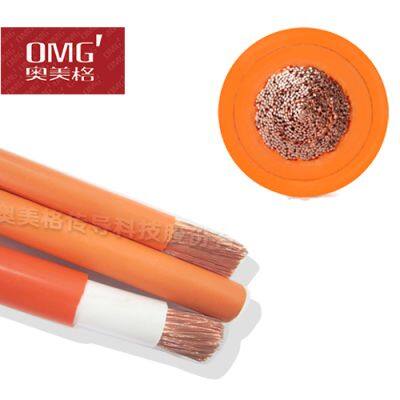
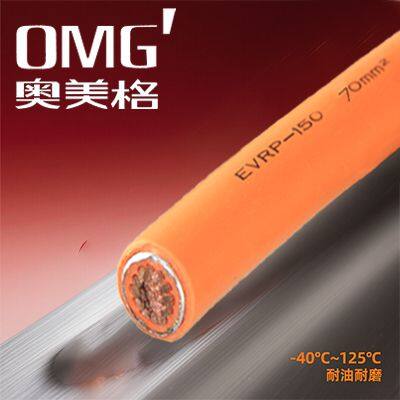
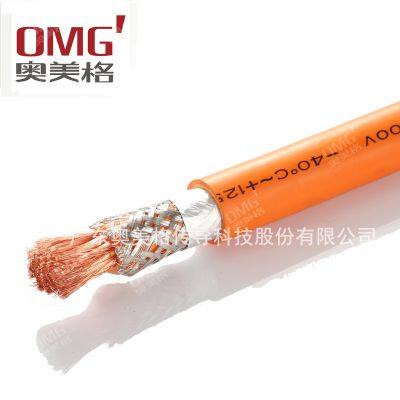
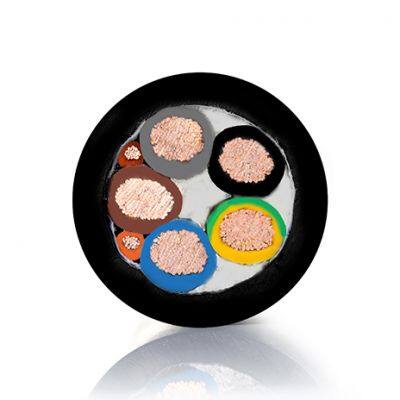
Reference Standard for Electric Vehicle Charging CableNegotiableMOQ: 200 Meters
-
95mm2 Vehicle Cable Applications for EVRP-125NegotiableMOQ: 200 Meters
-
Multi-standard, All-scenario Charging Cable Product List: Covering Multiple Vehicle Models and Offering Fast/slow/supercharging SolutionsNegotiableMOQ: 200 Meters
-
AC Luminous Charging Cable Technology is Being Introduced to the Electric Vehicle MarketNegotiableMOQ: 200 Meters
-
The Social Development Potential of High-Power Charging Cables for Electric VehiclesNegotiableMOQ: 200 Meters
-
Introduction to the Standards for High-voltage System Connection Cables for Electric VehiclesNegotiableMOQ: 200 Meters
-
To Meet the Charging Needs of Electric Vehicles, This AC Charging Pile Cable is RecommendedNegotiableMOQ: 200 Meters
-
Electric Vehicle Charging Composite Cable 250A Charging CableNegotiableMOQ: 200 Meters
-
Introduction to the UL3820 Product Certification for Automotive High-voltage WiresNegotiableMOQ: 200 Meters
-
Lightweight and Safe Vehicle Power Supply SolutionNegotiableMOQ: 200 Meters
-
New Energy UL2263 Electronic Wire 18AWGNegotiableMOQ: 200 Meters
-
Application and Use Environment of Liquid-cooled Charging CablesNegotiableMOQ: 200 Meters
-
Professional Cable Manufacturers Provide EVRP-125 95 Square Cable Equipment ApplicationNegotiableMOQ: 200 Meters
-
OMG’ Manufacturer Provides Electric Vehicle DC Charging Cable Certification IntroductionNegotiableMOQ: 200 Meters
-
OMG' Manufacturer Electric Vehicle AC Cable Obtains Dual Certification of CQC and DEKRANegotiableMOQ: 200 Meters
-
Application Scenarios for the Development of High-voltage Cables for Electric Vehicle ConnectionsNegotiableMOQ: 500 Meters