 Business License

Electric vehicle cable part: exploring the power artery of future travel
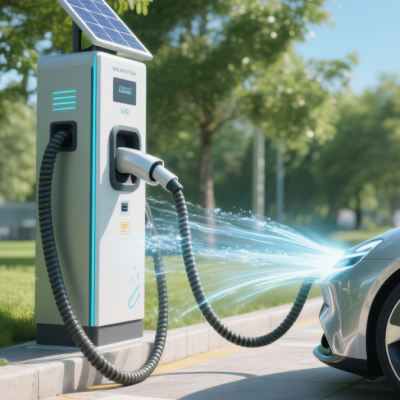
With the rise of new energy electric vehicles (NEVs), the demand for efficient and reliable cable systems is growing. Cables play a vital role in electric vehicles. They connect key components such as batteries, motors, and controllers to ensure efficient transmission of power between various components. In this blog content, we will delve into the characteristics, challenges and future development trends of the new energy electric vehicle cable segment.
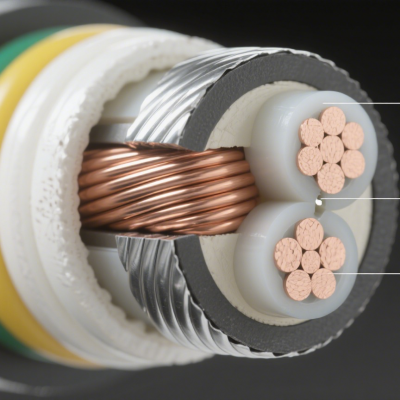
Among them, the characteristics of new energy electric vehicle cables: Compared with traditional vehicles, the cable system of new energy electric vehicles has a higher voltage level and larger current capacity. This requires the cable to have good insulation properties, heat resistance and mechanical strength to ensure safe operation in high voltage and high current environments.
Cable design challenges: Cable design for new energy electric vehicles faces many challenges. First, in order to increase the vehicle's driving range, the size and weight of the cables need to be reduced to reduce overall energy consumption. Secondly, the cable needs to be highly flexible to adapt to various dynamic stresses during vehicle driving. In addition, the cables need to have good durability to cope with harsh environmental conditions and long-term use.
Selection of cable materials: In order to meet the above requirements, cables for new energy electric vehicles are usually made of high-performance materials. For example, cross-linked polyethylene (XLPE) is widely used in high-voltage cables due to its excellent insulation properties and heat resistance. At the same time, in order to improve the flexibility and lightweight of cables, some new materials such as thermoplastic elastomers (TPE) have also begun to be used in the manufacture of low-voltage cables.
Progress in cable connection technology: With the development of new energy electric vehicles, the requirements for cable connection technology are becoming higher and higher. Traditional connectors can no longer meet the needs of high voltage and high current, so more advanced connection technologies such as welding or crimping technology need to be used to ensure the reliability and stability of the connection.
Future development trends: With the continuous advancement of new energy electric vehicle technology, the requirements for cable systems will also continue to increase. Future development trends may include higher-performance cable materials, more advanced connection technologies, and intelligent cable management systems. Advances in these technologies will provide more reliable and efficient power transmission solutions for new energy electric vehicles.
In short, the new energy electric vehicle cable part is an important part of the future travel field. Through continuous technological innovation and material research and development, we can expect lighter, thinner and more efficient cable systems to make greater contributions to the development of new energy electric vehicles. Welcome to visit: https://www.omgevcable.com
Recently Posted
-
China's New Energy Cable Brand Launches: Forging the "Green Bloodline" of the Energy Revolution
August 21, 2025Description: Automotive cables are a key component of automotive electronics, used for power transmission, signal transmission, an Read More
 -
Breakthrough in Liquid-Cooled High-Voltage Cable Technology
August 21, 2025Efficient Heat Dissipation Enables High-Power Charging for New Energy VehiclesWith the booming new energy vehicle industry, chargi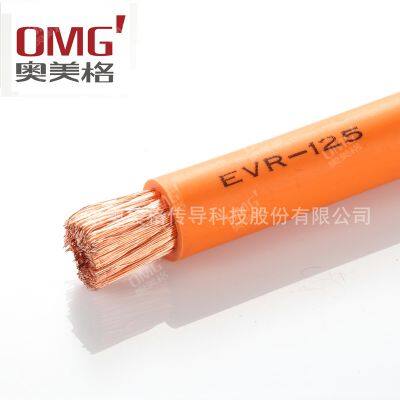 Read More
 -
Major Breakthrough in High-Power Liquid-Cooled Fast-Charging Cable Technology
August 21, 2025Recently, OMG, a leader in the cable manufacturing industry, achieved a significant breakthrough in high-power liquid-cooled fast-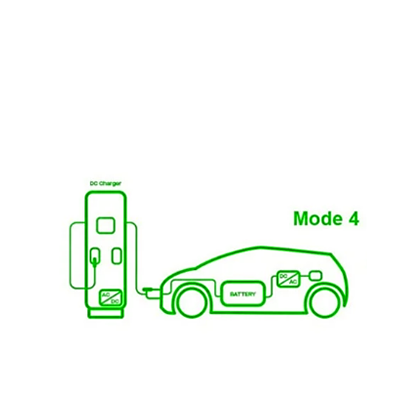 Read More
 -
OMG: Leading the market, practicing and exploring excellent strategies
December 11, 2024Many users are familiar with OMG, and the supply chain in the wire and cable industry is familiar. Of course, this company focuses Read More

Contact Us
Recommended Products
-
 Applications of 6 sq mm Shielded Cables for Road VehiclesNegotiableMOQ: 200 Meters
 -
Product Introduction of 70/95/120mm² High-Voltage Cables for Road VehiclesNegotiableMOQ: 500 Meters
-
Factory Direct Sales of Automotive High-Voltage Orange Shielded Cables 35mm²/50mm²/70mm²NegotiableMOQ: 500 Meters
-
New Energy 6mm² Automotive Unshielded Single-Core CableNegotiableMOQ: 200 Meters
-
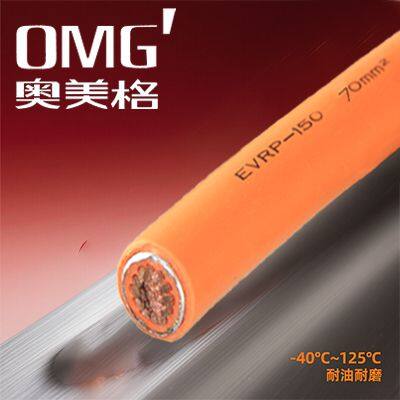
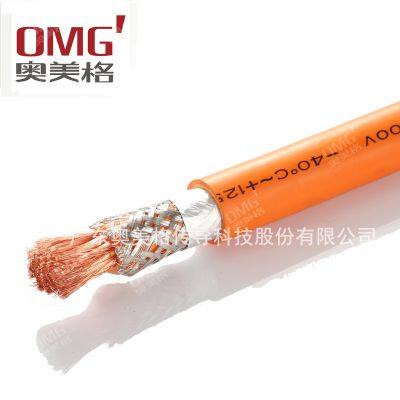
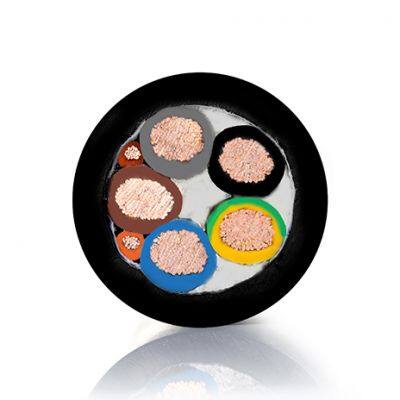
Reference Standard for Electric Vehicle Charging CableNegotiableMOQ: 200 Meters
-
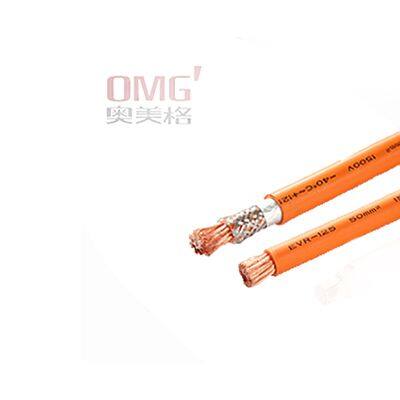
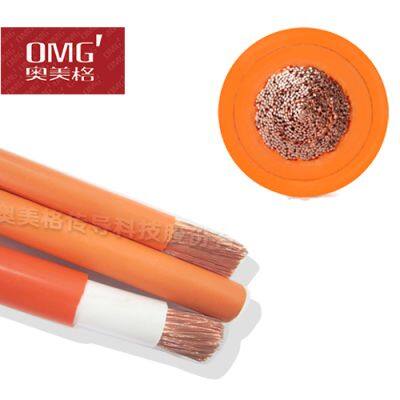
95mm2 Vehicle Cable Applications for EVRP-125NegotiableMOQ: 200 Meters
-
Multi-standard, All-scenario Charging Cable Product List: Covering Multiple Vehicle Models and Offering Fast/slow/supercharging SolutionsNegotiableMOQ: 200 Meters
-
AC Luminous Charging Cable Technology is Being Introduced to the Electric Vehicle MarketNegotiableMOQ: 200 Meters
-
The Social Development Potential of High-Power Charging Cables for Electric VehiclesNegotiableMOQ: 200 Meters
-
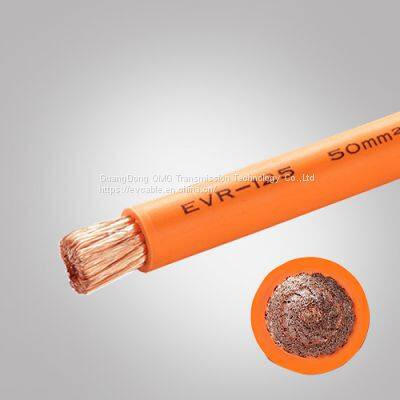
Introduction to the Standards for High-voltage System Connection Cables for Electric VehiclesNegotiableMOQ: 200 Meters
-
To Meet the Charging Needs of Electric Vehicles, This AC Charging Pile Cable is RecommendedNegotiableMOQ: 200 Meters
-
Electric Vehicle Charging Composite Cable 250A Charging CableNegotiableMOQ: 200 Meters
-
Introduction to the UL3820 Product Certification for Automotive High-voltage WiresNegotiableMOQ: 200 Meters
-
Lightweight and Safe Vehicle Power Supply SolutionNegotiableMOQ: 200 Meters
-
New Energy UL2263 Electronic Wire 18AWGNegotiableMOQ: 200 Meters
-
Application and Use Environment of Liquid-cooled Charging CablesNegotiableMOQ: 200 Meters
-
Professional Cable Manufacturers Provide EVRP-125 95 Square Cable Equipment ApplicationNegotiableMOQ: 200 Meters
-
OMG’ Manufacturer Provides Electric Vehicle DC Charging Cable Certification IntroductionNegotiableMOQ: 200 Meters
-
OMG' Manufacturer Electric Vehicle AC Cable Obtains Dual Certification of CQC and DEKRANegotiableMOQ: 200 Meters
-
Application Scenarios for the Development of High-voltage Cables for Electric Vehicle ConnectionsNegotiableMOQ: 500 Meters